Which Houseplants Are Safe for Cats and Dogs?
Good news: you don't have to choose between plants and pets. Here's which houseplants are safe, which ones to keep out of reach, and a quick list for the holidays.
8 pet-safe houseplants
1. Spider plant
The ultimate beginner plant, and totally safe. Cats love to bat at the dangly leaves, so you may want to hang it up anyway, just to save the plant.
2. Calathea and prayer plants
These patterned beauties are safe for cats and dogs. They’re a little fussy about humidity, but your pets won’t mind them one bit.
3. Boston fern
Lush, leafy and pet-friendly. Give it bright, indirect light and keep the soil moist.
4. Parlor palm
A great way to get that tropical look without the worry. Areca palms are safe too.
5. Peperomia
There are tons of varieties, they’re small and easy, and they’re great if you tend to forget about watering.
6. Cast iron plant
The name says it all. It handles low light and neglect like a champ, and it’s safe for pets.
7. Money tree
A braided money tree adds a nice statement to any room, and it’s pet-safe.
8. Moth orchid
Elegant, long-lasting blooms and no stress about curious noses.
Common houseplants to keep out of reach
Some of the most popular houseplants aren’t great for pets. Most of these cause mouth irritation, drooling or an upset stomach if chewed, so keep them up high or in a room your pets don’t hang out in:
-
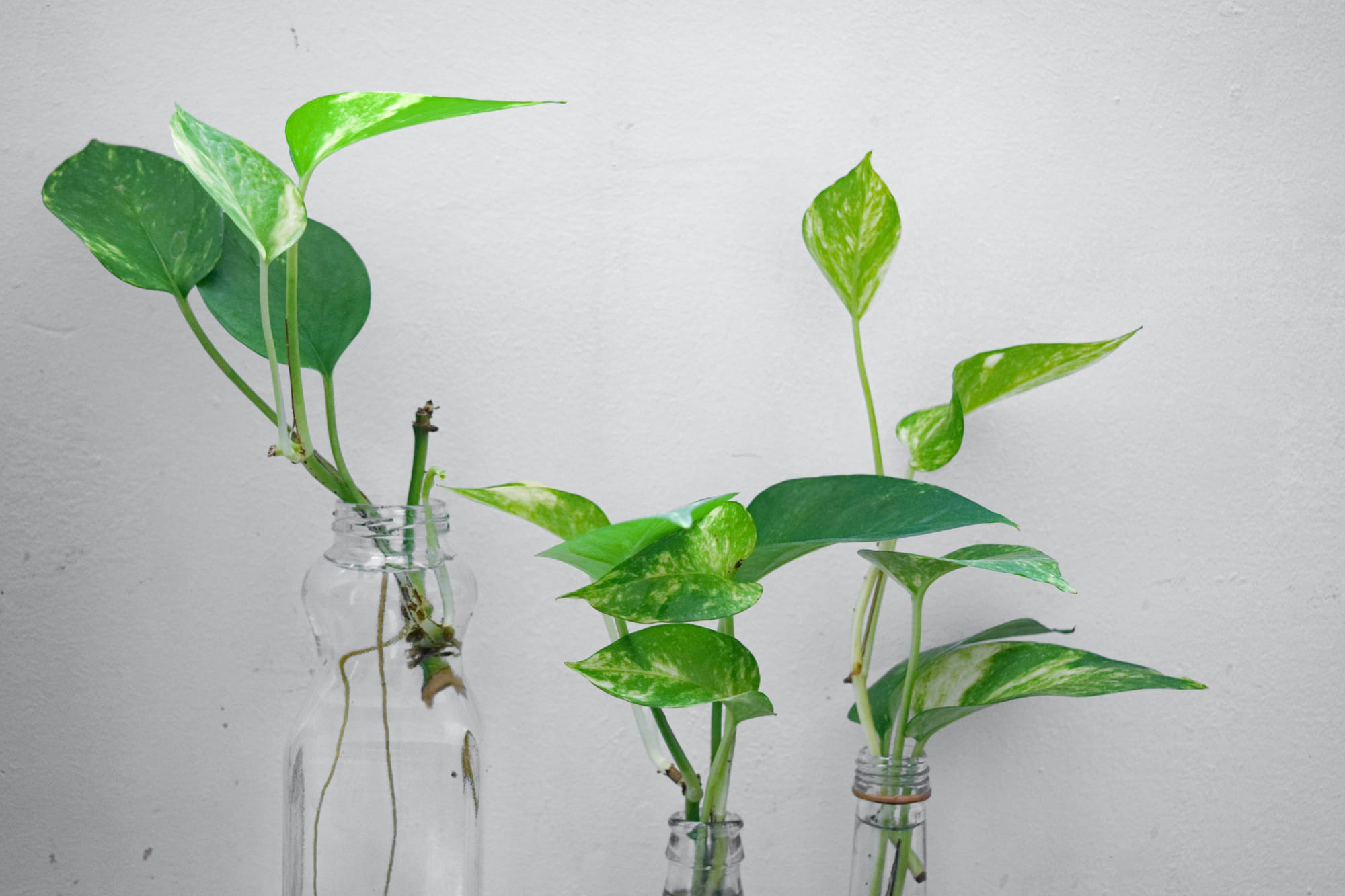
Pothos and philodendron
— those trailing vines are tempting, so hang them high.
-
Monstera
— gorgeous, but not for chewing.
-
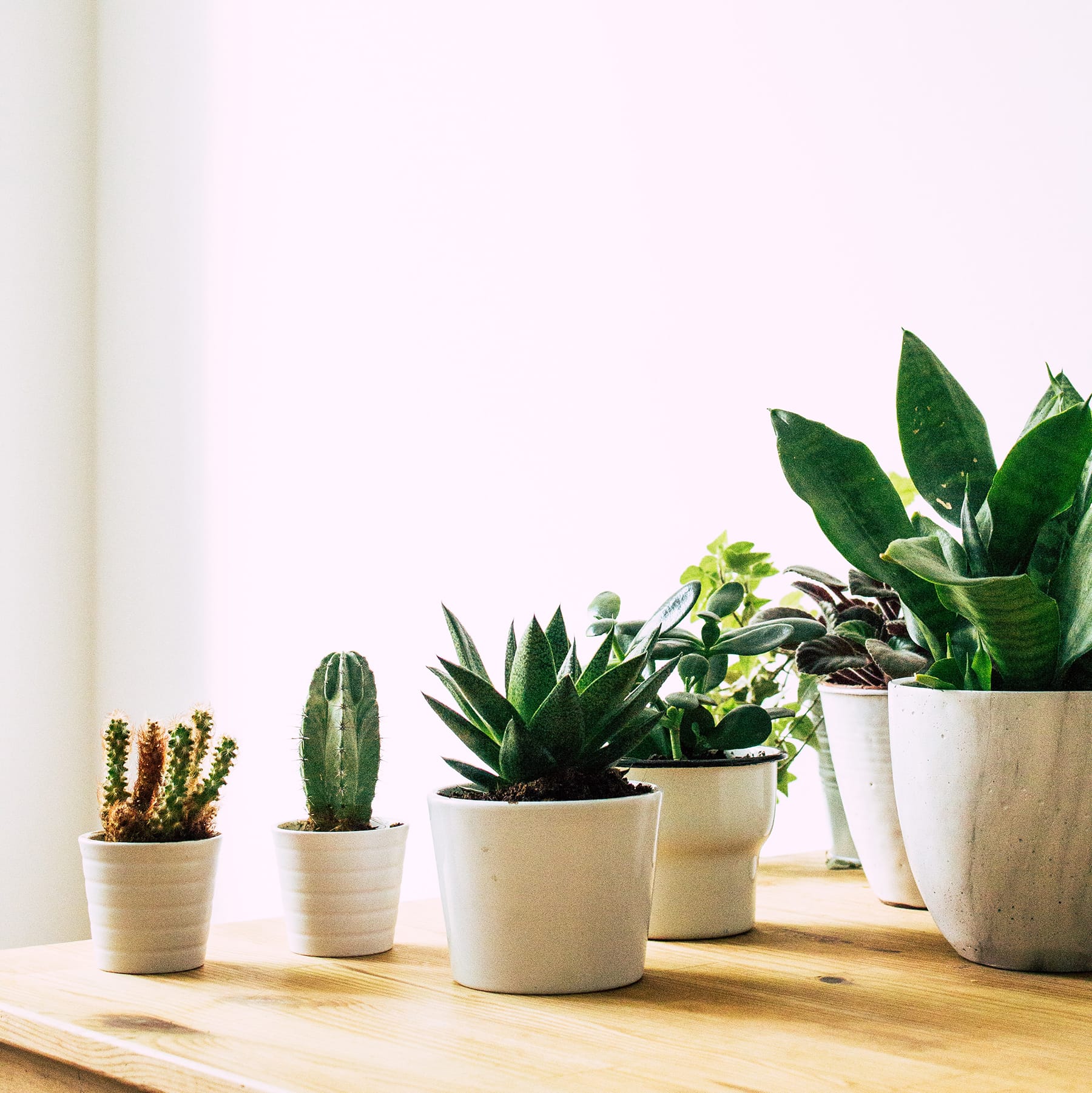
Snake plant
— tough as nails, but toxic to pets.
-
ZZ plant
— keep it on a shelf.
-
Peace lily
— not a true lily, but it can still irritate your pet’s mouth.
-
Aloe vera and jade
— two succulents that aren’t pet-friendly.
-
Fiddle leaf fig and rubber plant
— the sap can irritate skin and mouths.
The two to avoid completely
Lilies: If you have a cat, skip lilies entirely. They can cause kidney failure in cats, and every part counts, including the pollen and the vase water.
Sago palm: Every part of this plant is toxic to cats and dogs, and it can be very serious. Not worth the risk.
Holiday plants: a quick guide
The holidays bring a whole new batch of plants into the house. Here’s the quick rundown:
-
Keep away:
Amaryllis and paperwhite bulbs, mistletoe, holly, and any lilies in holiday bouquets.
-
Mildly toxic:
Poinsettias aren’t nearly as dangerous as their reputation, but they can still cause an upset stomach. Real Christmas trees are mildly toxic too, and the tree water can grow bacteria, so cover the stand.
-
Safe:
Christmas cactus, moth orchids, bromeliads and rosemary trees. Here’s
how to get your Christmas cactus to bloom
.
How to keep pets and plants happy together
- Hang trailing plants or put them on high shelves.
- Keep toxic plants in a room your pets can’t get into.
- Give your cat their own pot of cat grass to chew on.
- Check a plant’s label (or the ASPCA list) before you bring it home.
What to do if your pet takes a bite
Don’t panic. Take the plant away, check what (and how much) they ate, and call your vet or an emergency vet right away. You can also call the ASPCA Animal Poison Control Center at (888) 426-4435. Signs to watch for include vomiting, drooling, diarrhea and low energy.
When in doubt, look up the plant on the ASPCA’s toxic and non-toxic plant list.