Succulent Success: Avoiding Common Mistakes in Plant Care
Succulents are one of the most popular indoor plants, and for a good reason. These resilient and low-maintenance plants are perfect for people who want to bring some greenery into their homes but don't have a lot of time or experience with plant care.
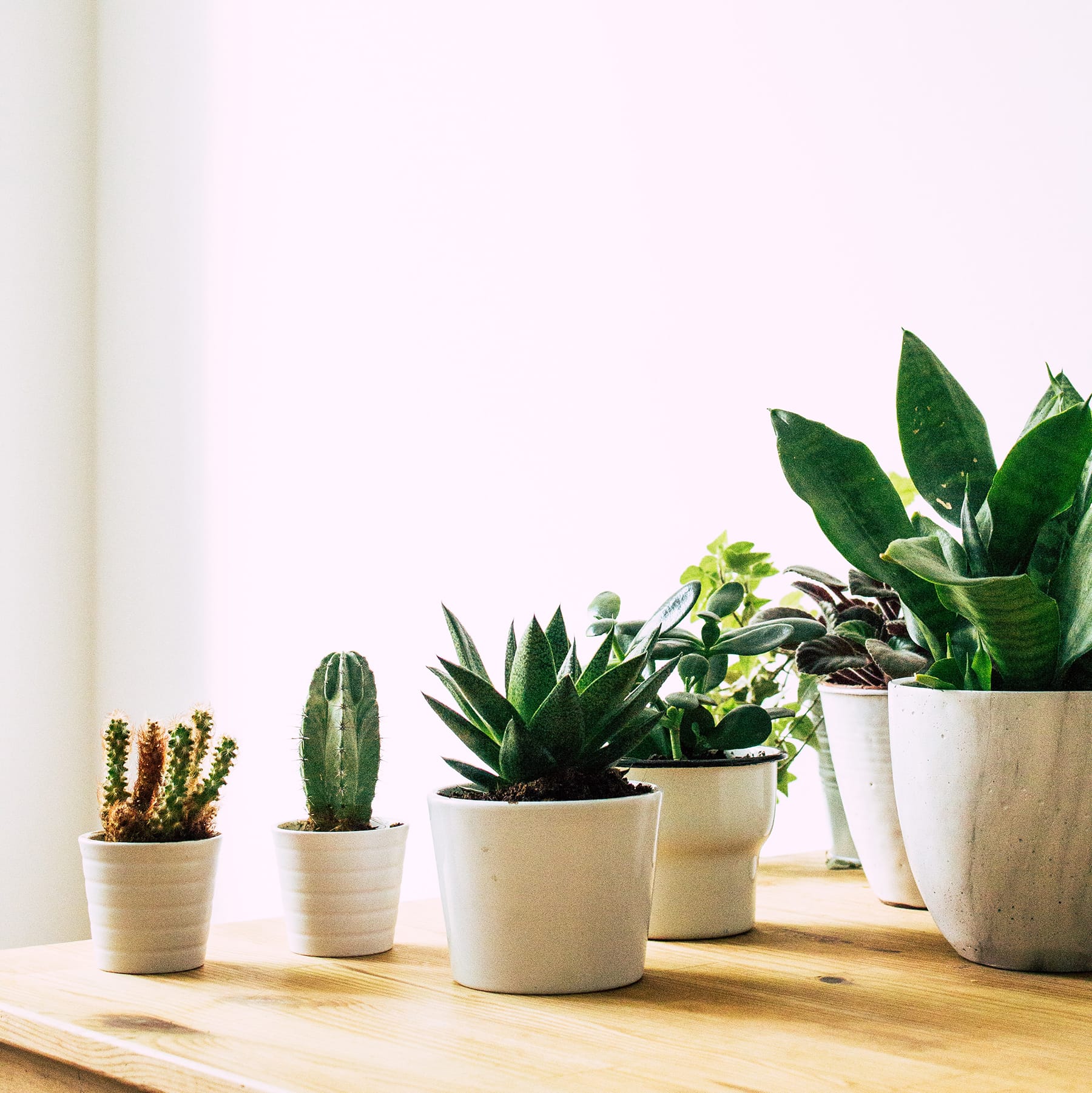
Succulents are one of the most popular indoor plants, and for a good reason. These resilient and low-maintenance plants are perfect for people who want to bring some greenery into their homes but don’t have a lot of time or experience with plant care. Let’s take a closer look at some of the most common succulents and share tips for keeping them healthy and happy.
Aloe Vera
Aloe vera is a classic succulent known for its ability to soothe sunburns and wounds. It’s a hardy plant that can survive in various conditions but prefers bright, indirect light and well-draining soil. Water aloe vera sparingly, allowing the soil to dry out between waterings.
Jade Plant
The jade plant, known as the “money tree,” symbolizes good luck and prosperity. It’s a slow-growing succulent that produces shiny, round leaves and clusters of small, white flowers. Jade plants prefer bright light and well-draining soil and should be watered sparingly, allowing the soil to dry out completely between waterings.
Echeveria
Echeveria is a group of succulents that come in various colours, shapes, and sizes. These rosette-forming plants are popular for their attractive foliage and produce clusters of small, colourful flowers in the spring and summer. Echeveria prefers bright, indirect light and well-draining soil and should be watered sparingly, allowing the soil to dry out completely between waterings.
String of Pearls
String of pearls is a unique and eye-catching succulent that produces long, trailing stems covered in tiny, round leaves. It’s a great plant for hanging baskets or draping over a planter’s sides. These succulents prefer bright, indirect light and well-draining soil and should be watered sparingly, allowing the soil to dry out completely between waterings.
Haworthia
Haworthia is a group of succulents known for their unique, geometric foliage. These slow-growing plants produce fleshy leaves often marked with stripes or patterns. Haworthia prefers bright, indirect light and well-draining soil and should be watered sparingly, allowing the soil to dry out completely between waterings.
Succulent Care Tips
In general, succulents are hardy plants that can survive in a variety of conditions, but there are a few tips you can follow to keep them healthy and happy:
- Light: Most succulents prefer bright, indirect light, but some species can also tolerate low light. Avoid placing your succulent in direct sun, which can scorch the leaves.
- Soil: Succulents prefer well-draining soil that allows excess water to escape. You can use a standard cactus or succulent mix or make your own by mixing equal parts sand, perlite, and peat moss.
- Water: Succulents store water in their leaves, so they don’t need to be watered frequently. Generally, it’s best to water your succulent when the soil has completely dried out and then to water thoroughly, allowing excess water to escape through the drainage holes in the bottom of the pot.
- Fertilizer: Succulents don’t require frequent fertilization, but you can feed them once a month during the growing season (spring and summer) with a balanced, water-soluble fertilizer.
In conclusion, succulents are low-maintenance plants that can bring life and colour into any space. By providing the right soil, light and water conditions, you can ensure that your succulent stays healthy and thriving. Understanding the common mistakes made by new plant owners can help you avoid potential problems and keep your succulent looking its best. With a little care, succulents can be a wonderful addition to your home or garden for years to come. So, whether you’re a seasoned plant parent or starting, give your succulent the love and attention it deserves. Happy growing!